A leveling kit raises just the front of your truck to eliminate factory rake. A lift kit raises the entire vehicle for maximum height and ground clearance. The difference sounds simple, but choosing the wrong one means wasted money, fitment headaches, or a truck that doesn't perform the way you expected.
Leveling kits raise the front of a truck 1 to 3 inches to remove the factory nose-down rake, costing $100 to $400 and fitting tires up to about 33 to 35 inches. Lift kits raise the entire vehicle 2 to 10+ inches for greater ground clearance and 35 to 40+ inch tires, but cost $1,000 to $5,000+ and typically require professional installation.
This guide breaks down how each kit works, what they cost, what size tires you can fit, and how to decide which one actually matches your goals.
What Is a Leveling Kit
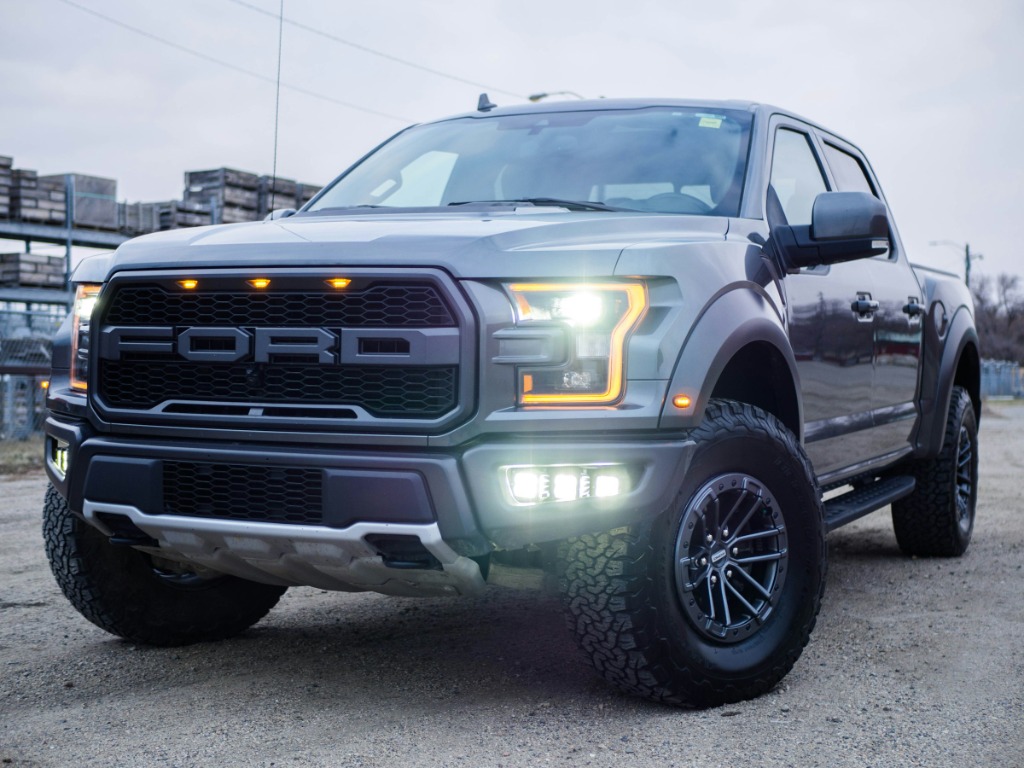
So why does your truck sit nose-down in the first place? Manufacturers build in that forward tilt, called "rake," because they expect you to load the bed. When you're hauling or towing, the weight pushes the rear down and the truck levels out on its own. If you rarely carry heavy loads, though, that stance can look awkward.
A leveling kit corrects the rake without replacing your entire suspension. Most kits use spacers, strut extensions, or torsion keys to bring the front up 1 to 3 inches to match the rear. The install is straightforward. Many owners finish in a weekend with basic hand tools.
The trade-off is modest. You're only lifting the front, so ground clearance under the rear axle stays the same. But if your goal is a balanced stance and room for slightly larger tires, a leveling kit gets you there without a major investment.
What Is a Lift Kit
A lift kit raises both the front and rear of your vehicle. While a leveling kit addresses stance, a lift kit is about height, sometimes a lot of it.
Two main types exist, and the difference matters: body lifts and suspension lifts.
Body Lift Kits
Body lift kits use spacers between the truck's body and frame. The body sits higher, which creates extra fender clearance for larger tires. However, the frame itself doesn't move. Ground clearance under the axles and frame rails stays exactly the same.
Body lifts are cheaper and easier to install than suspension lifts. The downside is that gaps can appear between the body and frame, and off-road capability doesn't improve since the frame isn't any higher off the ground.
Suspension Lift Kits
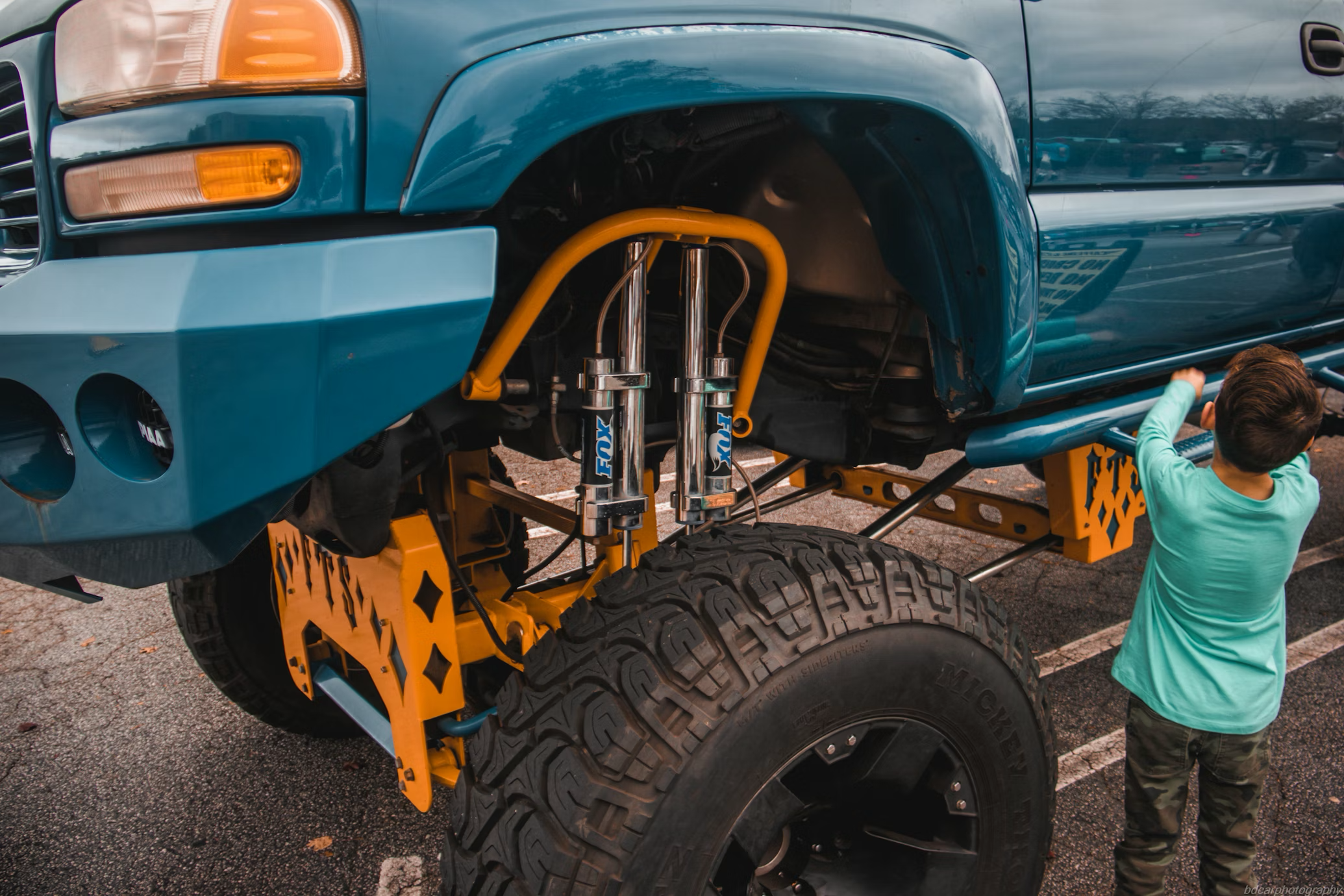
A suspension lift kit replaces or modifies major components: springs, shocks, control arms, and sometimes more. The entire frame rises off the ground, giving you real clearance gains along with the visual height.
Suspension lifts cost more and often require professional installation. They may also trigger additional modifications like extended brake lines, driveshaft adjustments, or differential drop kits. But if you're serious about off-roading or want to run very large tires, a suspension lift is the path that gets you there.
Key Differences Between Leveling Kits and Lift Kits
The core difference comes down to purpose and scope. A leveling kit balances your truck's stance by raising just the front. A lift kit raises the entire vehicle for maximum height, clearance, and tire fitment.
One of the most common questions when looking at a modified truck is simple: is that leveled or lifted? The difference can be subtle, especially with a 2 to 3 inch leveling kit versus a modest lift.
Leveling Kit Pros and Cons
Leveling kits are affordable and simple, but they come with limitations worth weighing before you buy.
Advantages of a Leveling Kit
- Affordable: Leveling kits cost a fraction of what lift kits run, making them accessible for most budgets.
- Easy installation: Many owners complete the install themselves in a few hours with basic tools.
- Maintains ride quality: Because you're not replacing major suspension components, the truck drives much like it did stock.
- Fits larger tires: A leveling kit typically allows you to run 33 to 35 inch tires without rubbing.
- Corrects factory rake: The primary benefit is aesthetic: a balanced, level stance that looks more intentional.
Disadvantages of a Leveling Kit
- Limited height: You're only raising the front, so overall ground clearance doesn't change much.
- Potential wear: Lifting the front can accelerate wear on CV joints, ball joints, and other front-end components over time.
- Warranty concerns: Some manufacturers may deny warranty claims related to suspension modifications.
- No rear lift: If you want a truly lifted truck, a leveling kit won't get you there.
Lift Kit Pros and Cons
Lift kits follow a different calculus. You're investing more money and complexity, but you're also getting capabilities a leveling kit can't match.
Advantages of a Lift Kit
- Significant ground clearance: A suspension lift raises the frame, axles, and differentials, everything that matters for clearing obstacles.
- Much larger tires: Lifts of 4 inches or more can accommodate 35 to 40+ inch tires, depending on the setup.
- Improved off-road capability: Better approach and departure angles, plus room for longer-travel suspension, make a real difference on trails.
- Aggressive aesthetic: If you want the commanding "big truck" look, a lift kit delivers.
- Full vehicle lift: Both front and rear rise together, maintaining a balanced stance at the new height.
Disadvantages of a Lift Kit
- Expensive: Between the kit, installation, and supporting modifications, costs add up quickly.
- Complex installation: Most lift kits require professional installation and alignment.
- Altered handling: A higher center of gravity changes how the truck corners and responds to wind.
- Additional modifications often required: Driveshaft, gearing, brake lines, and bump stops may all need attention.
- Ride quality changes: Depending on the kit, the ride can become stiffer or feel less refined than stock.
Leveling Kit vs Lift Kit Cost Comparison
Cost is often the deciding factor. Leveling kits are significantly more affordable, but the total price depends on kit quality, your vehicle, and whether you're paying for professional installation.
Leveling Kit Cost
Most leveling kits run between $100 and $400 for parts. Higher-end kits with adjustable components or premium materials sit at the top of that range. If you install it yourself, that's your total cost aside from an alignment.
Lift Kit Cost
The range here is wide. Basic body lift kits start around $200 to $500, while quality suspension lift kits run $1,000 to $5,000 or more. Premium kits from brands like Icon, King, or Fox can push well beyond that.
Installation and Hidden Costs
Leveling kits are often DIY-friendly, which can eliminate labor costs entirely. Lift kits typically require 4 to 10+ hours of professional labor, adding $400 to $1,200 or more to your total.
Beyond the kit and labor, a few hidden costs are worth budgeting for:
- Wheel alignment: $100 to $200, required after any suspension change
- Upper control arms (UCAs): $400 to $800, often needed for leveling kits over 2 inches
- Differential drop kit: $30 to $60, for lifted trucks with front differentials
- New tires: $1,500 to $3,000+, if you're upgrading to larger rubber
- Fuel economy loss: Expect 1 to 3 MPG less from taller tires and increased aerodynamic drag
What Size Tires Fit After a Leveling Kit vs Lift Kit
One of the main reasons people modify their truck's height is to fit larger tires. The type of kit you choose directly impacts how big you can go.
A leveling kit typically accommodates 33 to 35 inch tires, depending on wheel offset and whether you're willing to trim fenders. A lift kit allows for 35 to 40+ inch tires, with the maximum size depending on lift height and suspension geometry.
A 2-inch leveling kit raises only the front, so your tire clearance gains are limited to the front fenders. A 2-inch lift raises the entire truck, giving you clearance at all four corners. Same number, very different results.
Actual tire fitment also depends on wheel offset and backspacing. A wheel with aggressive negative offset pushes the tire outward, which can cause rubbing even with adequate lift.
How to Choose Between a Leveling Kit and a Lift Kit
The right choice depends on how you use your truck, what look you're after, and how much you're willing to invest.
Choose a Leveling Kit If...
A leveling kit makes sense if you want to fix the nose-down factory rake without major modifications. It's a good fit for trucks driven mostly on pavement as daily drivers. If you want a moderate tire upgrade in the 33 to 35 inch range, are working with a limited budget, or want to maintain the stock ride quality, a leveling kit checks those boxes.
Choose a Lift Kit If...
A lift kit makes sense if you do serious off-roading and want maximum ground clearance. It's the right choice if you're after a commanding, aggressive truck aesthetic or plan to run 35+ inch tires. Keep in mind that you'll be investing in professional installation and supporting modifications, and that handling and ride quality will change.