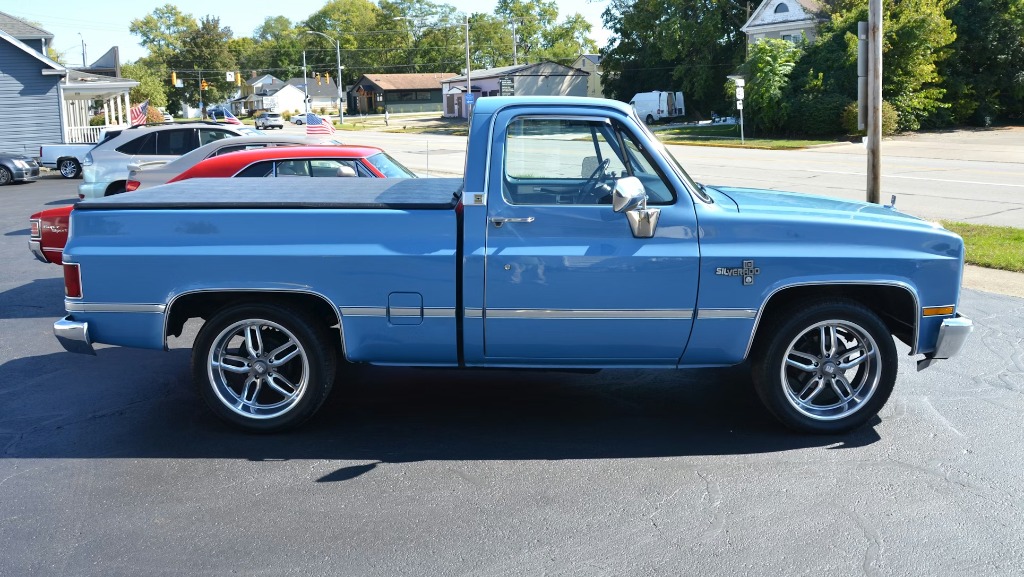
You spot a truck with the exact setup you want: wheels, bed cover, running boards, the whole build. But figuring out what's actually on it? That's where things get frustrating. Part numbers are hidden, brands aren't always obvious, and one wrong guess means ordering something that doesn't fit.
You can identify aftermarket parts on a truck or SUV through visual inspection (checking for OEM badges, fit gaps, paint match, and mounting hardware), VIN decoding to compare current parts against factory specs, or photo-based AI tools that analyze a vehicle image and identify every visible modification instantly.
Whether you're evaluating a used truck, replicating a build you saw online, or just trying to verify what's installed on your own vehicle, knowing how to identify aftermarket parts saves time and money. This guide covers visual inspection techniques, category-specific identification for wheels, bed covers, and running boards, quality verification methods, and faster alternatives using photo-based tools.
What Are Aftermarket Parts
Aftermarket parts are components made by companies other than the original vehicle manufacturer. You can spot them by the absence of car brand logos, generic or third-party packaging, and often lower price points compared to OEM. Many also carry independent certifications like CAPA or NSF.
The distinction matters because quality and fit vary widely between manufacturers. Some aftermarket parts match or exceed factory specs, while others cut corners on materials and precision.
- OEM parts: Components made by or for the vehicle brand, built to exact factory specifications
- Aftermarket parts: Third-party components ranging from budget replacements to premium performance upgrades
- Counterfeit parts: Fake components mimicking legitimate brands, often with substandard materials
On trucks and SUVs, aftermarket modifications are everywhere. Wheels, lift kits, bed covers, and running boards are frequently swapped or added by previous owners. Recognizing what's factory versus what's been changed is the starting point for any informed decision about a vehicle.
Why Identifying Aftermarket Parts Matters
Vehicle Value and Resale Impact
Aftermarket parts can push resale value up or down depending on quality and buyer preference. A premium tonneau cover or well-known wheel brand might add appeal. A cheap lift kit or poorly installed accessories could raise concerns. When you're looking at a used truck, knowing what's been modified helps you understand what you're actually paying for.
Safety and Compatibility Concerns
Not all aftermarket parts meet the same safety standards as factory components. Poor fitment can cause rattling, mechanical issues, or failure under stress. Counterfeit parts are particularly risky because substandard materials might look identical to the real thing but fail when it counts.
Insurance and Warranty Considerations
Some modifications can affect insurance coverage or warranty claims. The Magnuson-Moss Warranty Act protects consumers from blanket warranty denials, though a dealer can still deny a specific claim if they prove an aftermarket part directly caused the failure. Knowing what's installed helps you avoid surprises down the road.
Common Aftermarket Parts Found on Trucks and SUVs
Before diving into identification methods, it helps to know where aftermarket parts typically show up.
With that overview in mind, let's walk through how to confirm whether a specific component is factory or aftermarket.
How to Visually Identify Aftermarket Parts
Check for OEM Badges and Branding
Factory parts typically carry the vehicle manufacturer's branding or part numbers. Look for logos stamped into metal, molded into plastic trim, or printed on labels. Missing, replaced, or mismatched branding often signals an aftermarket swap.
Some aftermarket brands display their own logos prominently. Fuel wheels, Bushwacker fenders, and WeatherTech floor liners all carry visible third-party branding. When you see a company name that isn't the vehicle manufacturer, you've found an aftermarket part.
Look for Fit Gaps and Alignment Issues
Aftermarket parts sometimes have slight gaps, uneven spacing, or imperfect alignment compared to factory components. Check where body panels meet, where running boards attach to the cab, and where bed covers sit against the bed rail.
Factory parts are engineered for exact fit during assembly. Budget aftermarket parts, especially those designed for universal fitment, may show visible deviation that a careful eye can catch.
Inspect Paint Match and Finish Quality
Color differences, texture inconsistencies, or cheaper finishes can indicate non-OEM parts. Factory paint is color-matched during production, while aftermarket body components often require separate painting after installation.
Look for orange peel texture, slight color mismatches under different lighting, or clear coat inconsistencies. Counterfeit parts frequently have inferior finish quality that becomes obvious under close inspection.
Examine Hardware and Mounting Points
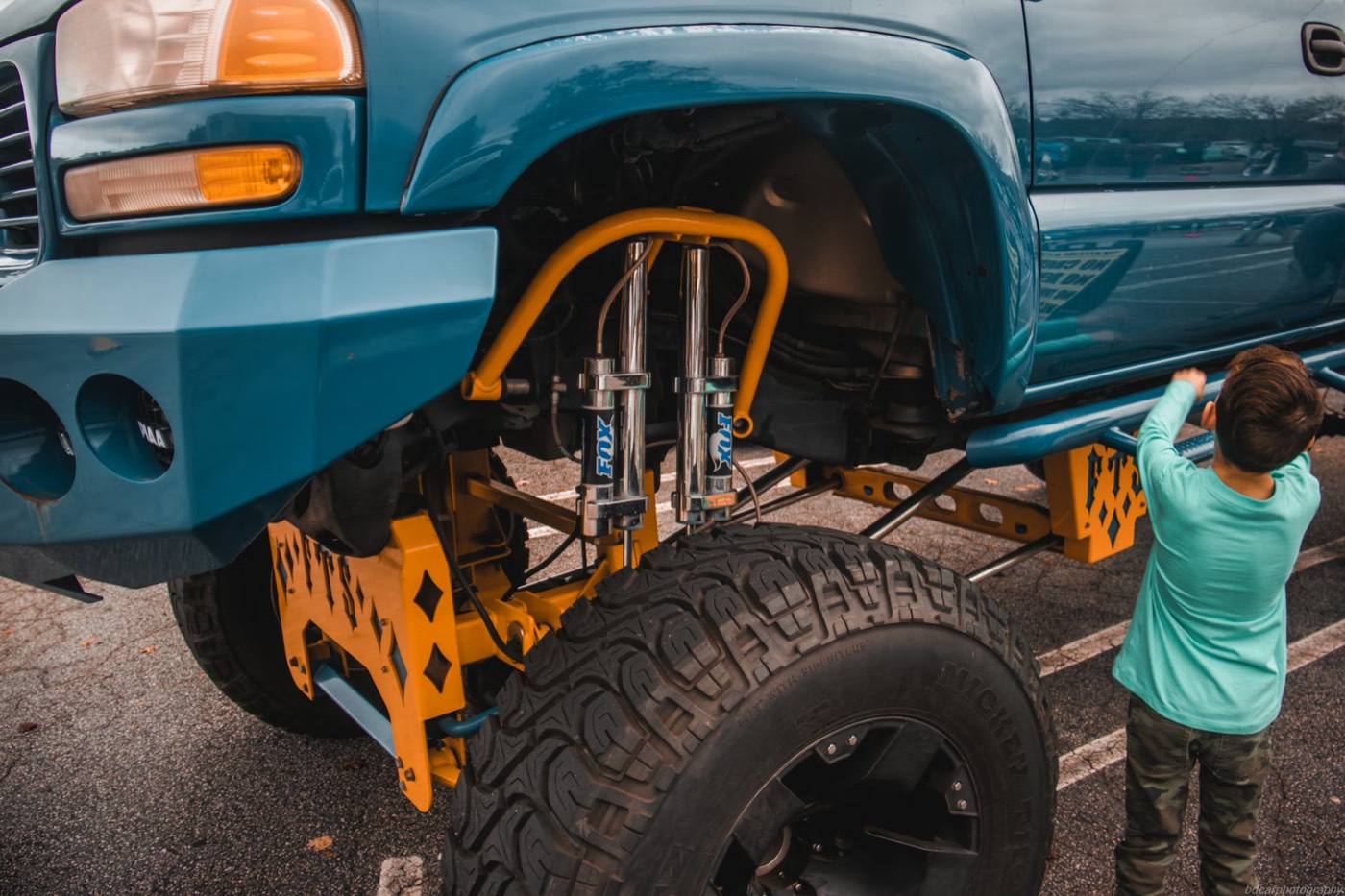
Non-factory bolts, brackets, or visible drilling suggest aftermarket installation. Factory-installed accessories use pre-drilled mounting points integrated during assembly. Aftermarket parts may require drilling new holes, adding bracket kits, or using clamp-on hardware.
Check under the vehicle and behind panels for signs of modification. Fresh drill holes, mismatched bolt heads, or visible bracket systems are reliable indicators that something has been changed.
How to Identify Aftermarket Wheels and Rims
Measure Bolt Pattern and Lug Count
Start by counting the lugs and measuring the bolt pattern, which is the diameter of the imaginary circle formed by the lug holes. Common truck patterns include 6x135 for Ford, 6x139.7 for GM and Toyota, and 8x170 for heavy-duty Ford trucks. If the pattern doesn't match factory specs for your vehicle, the wheels are aftermarket.
Determine Wheel Diameter and Width
Look for sizing info stamped on the inner barrel of the wheel or printed on the tire sidewall. Factory truck wheels typically range from 17 to 20 inches. Larger diameters (22 inches and up) almost always indicate aftermarket upgrades.
Check Offset and Backspacing
Offset refers to the distance between the wheel's mounting surface and its centerline. Aggressive negative offsets, where wheels poke out past the fenders, are a hallmark of aftermarket truck builds. Factory offsets tend to keep wheels tucked within the fender line for a cleaner look.
Identify Tire Size and Specifications
Read the tire sidewall for size information, something like 35x12.50R20. Larger or non-stock sizes, especially aggressive all-terrain or mud-terrain patterns from brands like BFGoodrich, Nitto, or Toyo, strongly suggest aftermarket upgrades. You can compare to the factory tire size listed on the driver's door jamb sticker.
Measuring all of these specs by hand takes time and physical access. Photo-based identification tools like the Wheel Analyzer can extract bolt pattern, offset, diameter, and tire size from a single image.
How to Identify Aftermarket Truck Bed Covers
Measure Bed Length
Truck beds come in short (5'7" to 5'8"), standard (6'4" to 6'7"), and long (8') lengths. Measure from the bulkhead to the inside of the tailgate. A cover that doesn't match the bed length will have visible gaps or overhang, which is a quick giveaway.
Confirm Cab Configuration
Cab style directly impacts bed length options and accessory compatibility. Regular cab, extended or double cab, and crew cab configurations all pair with different bed lengths. A crew cab short bed is the most common setup for modern half-ton trucks, though buyers often assume bed length without verifying.
Note Cover Style and Material
Identify the cover type: soft roll-up, hard tri-fold, retractable, or one-piece hinged. Factory bed covers, when offered, are typically branded by the truck manufacturer. Third-party covers display their own branding, like BAKFlip, TruXedo, or RetraxPRO.
How to Identify Aftermarket Running Boards and Side Steps
Verify Cab Size and Door Count
Running boards are sized to match cab length. Check if the boards align with all door openings. A crew cab board on an extended cab truck will extend too far or leave gaps. Two-door versus four-door configurations require completely different board lengths.
Check Mounting Style
Factory running boards often use hidden brackets integrated into the frame during assembly. Aftermarket boards may have visible bolt-on brackets, clamp-on hardware, or rocker-panel-mounted systems. Look underneath for bracket style. Exposed hardware usually signals aftermarket installation.
Identify Material and Finish Type
Note the construction: aluminum, steel, or molded plastic. Factory boards tend to be color-matched or use a specific OEM texture. Aftermarket boards come in wider variety, including stainless steel nerf bars, black powder-coated rock sliders, illuminated running boards, and retractable power steps like AMP Research.
How to Verify Aftermarket Part Quality and Authenticity
Look for Brand Markings and Serial Numbers
Legitimate aftermarket parts display clear manufacturer branding, model names, and traceable serial or part numbers. You can cross-reference identifiers with manufacturer websites or catalogs. Be cautious of parts with generic markings, missing part numbers, or markings that don't match the manufacturer's standard format.
Research the Manufacturer Reputation
Check reviews on enthusiast forums, look for certifications like SEMA, DOT, or SAE, and research industry reputation before trusting unfamiliar brands. Established aftermarket manufacturers maintain detailed product documentation, fitment guides, and warranty programs.
Watch for Counterfeit Red Flags
Suspiciously low prices, poor packaging, missing documentation, or spelling errors indicate fakes. Watch for pricing significantly below market average, generic or damaged packaging with no manufacturer branding, missing warranty information or installation instructions, misspelled brand names or blurry logos, and parts with no verifiable part number or QR code.
Digital Tools for Identifying Aftermarket Parts
Use VIN Decoders for Factory Specs
Enter your Vehicle Identification Number into a decoder to reveal original factory equipment, including wheel size, tire specs, trim-level accessories, and optional packages. Anything currently installed that doesn't match the factory build sheet is aftermarket.
Free VIN decoders are available from NHTSA, manufacturer websites, and third-party tools. Keep in mind that a VIN only tells you what the vehicle left the factory with. It can't tell you what's currently installed.
Use Photo-Based Part Identification
AI-powered tools can analyze vehicle photos to identify visible parts and accessories without disassembly, part numbers, or manual measurement. This is the fastest path from "what is that part?" to a confirmed identification with purchase links.
Upload a photo to Visual Fitment and get the vehicle's make, model, trim, and a breakdown of every visible aftermarket modification. Specialized analyzers for wheels, bed covers, and running boards return fitment-critical specs like bolt pattern, offset, bed length, and cab configuration. Clear, well-lit photos from multiple angles improve accuracy.
The manual methods covered earlier in this guide work well, but they take time, require physical access, and assume some technical knowledge. Photo-based identification handles the same job from a single image.