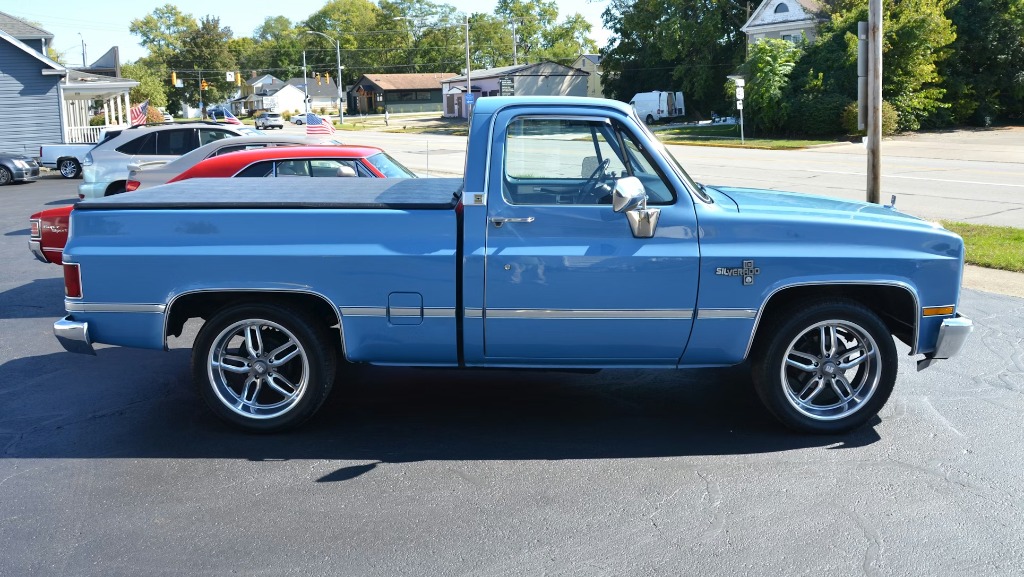
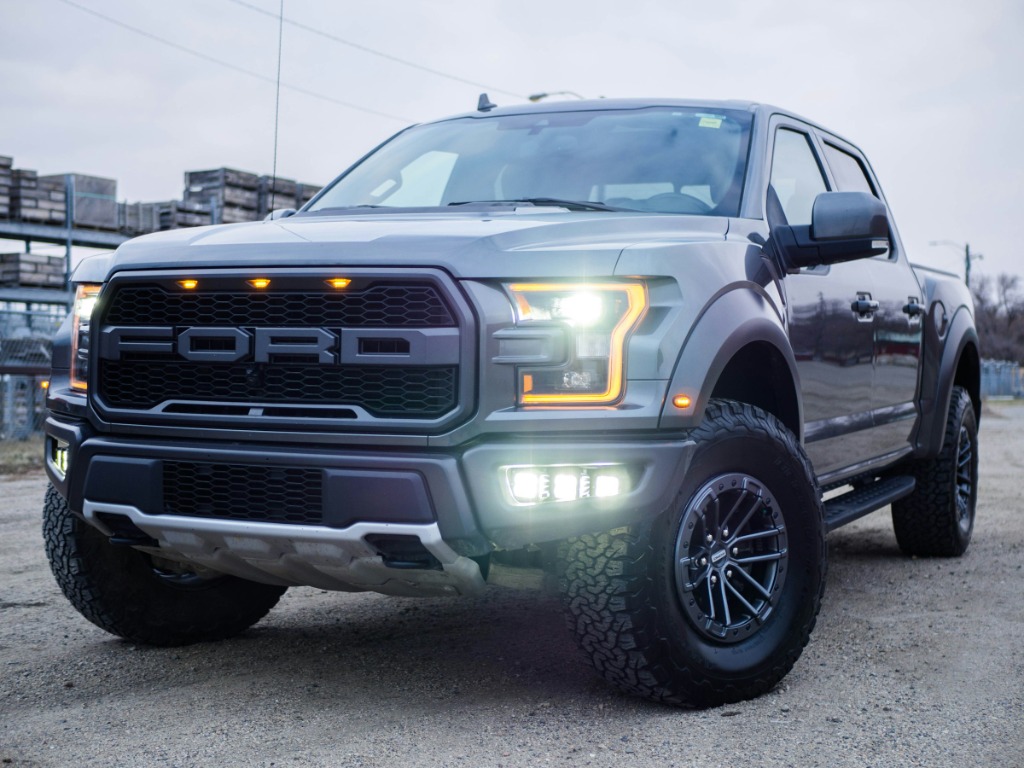
Running boards make getting in and out of trucks and SUVs significantly easier, especially when your vehicle sits high off the ground. They mount beneath your doors, give you a solid place to step, and protect your rocker panels from road debris along the way.
Running boards are horizontal steps that mount beneath truck and SUV doors. The five main types are fixed running boards (wide platforms for daily use), nerf bars (tubular with step pads), retractable side steps (fold away for ground clearance), rock sliders (off-road armor), and powered boards (auto-extend when the door opens). Fitment depends on cab size, door count, and vehicle-specific mounting points.
The challenge is figuring out which type fits your truck and your priorities. This guide covers the main running board styles, explains the fitment factors that determine compatibility, and walks you through matching the right boards to your specific vehicle.
What Are Running Boards
Running boards are horizontal steps that mount beneath your vehicle's doors. They give you a place to step when climbing in and out of trucks, SUVs, and lifted vehicles, which makes a bigger difference than you might expect when your truck sits high off the ground.
The boards attach along the rocker panel, which is the section of your truck's body between the front and rear wheel wells. Most running boards span the full length of your cab, though some styles only cover the area directly beneath each door.
Beyond the step-up function, running boards protect your rocker panels from rocks, mud, and road debris. They also change the look of your truck's profile, sometimes dramatically depending on the style you choose.
Here's where things get tricky for most buyers: figuring out which type of running board you're looking at and whether it will actually fit your specific vehicle. The terminology can be confusing, and fitment depends on details like cab size, door count, and mounting points that aren't always obvious.
Types of Running Boards and Side Steps
Running boards come in several distinct styles, and each one serves a different purpose. Your choice depends on how you use your truck, where you drive it, and what look you're going for.
Fixed Running Boards
Fixed running boards are the traditional option: wide, flat platforms that run the full length of your cab doors. They provide the largest stepping surface of any style, which makes them a popular choice for families or anyone who prioritizes easy entry.
Because fixed boards mount permanently at a set height, they work well for daily drivers. The trade-off is reduced ground clearance, which can be a problem if you take your truck off-road or have a lifted suspension.
Nerf Bars and Step Bars
Nerf bars use a tubular design, usually round or oval steel tubing, with textured step pads welded at each door location. You'll also hear them called step bars or tube steps, and the terms are mostly interchangeable.
The narrower profile gives nerf bars a more aggressive, rugged appearance compared to flat running boards. The stepping surface is smaller, but many truck owners prefer the look. You'll see nerf bars on everything from work trucks to show builds.
Retractable Side Steps
Retractable side steps fold or tuck beneath the vehicle when not in use, then drop down when you open the door. Some operate mechanically through a linkage connected to the door, while others use electric motors.
This design solves the ground clearance problem entirely. When you're on the trail, the steps stay out of the way. When you're at the grocery store, they're right where you want them.
Rock Sliders
Rock sliders are heavy-duty steel bars designed primarily as armor for your truck's rocker panels during off-road use. The stepping function is secondary. Rock sliders are built to absorb impacts from rocks, stumps, and trail obstacles.
If you wheel your truck regularly, rock sliders offer protection that standard running boards can't match. The step surface is typically narrower and positioned for function over comfort, so keep that in mind if easy entry is your main priority.
Powered Running Boards
Powered running boards automatically extend when you open the door and retract when you close it. Brands like AMP Research popularized this category, and powered boards have become a premium option for lifted trucks and luxury SUVs.
The convenience factor is significant. You get a full-width stepping surface when you want it and a clean undercarriage when you don't. The trade-off is higher cost and more components that could potentially require service over time.
Upload a photo to Visual Fitment's Running Boards analyzer and get the type, brand, and model identified in seconds.
Running Boards vs. Nerf Bars vs. Side Steps
The terminology around side steps can be confusing because manufacturers and retailers use different terms for similar products. Here's how the main categories actually differ.
Running boards are wide, flat platforms that span your full cab length. They offer the most stepping surface and the most traditional look. Nerf bars are tubular bars with a round or oval profile and step pads at each door. They have a narrower profile and more aggressive styling. Side steps is a catch-all term for any step that mounts to your rocker area. "Side steps" can refer to running boards, nerf bars, or smaller individual steps at each door.
When a product listing says "side steps," check the photos carefully. You might be looking at a full-length running board, a tubular nerf bar, or a compact two-step design. The terminology alone won't tell you which one it is.
Running Board Fitment Factors
Running boards aren't universal. They're designed for specific vehicle configurations, and ordering the wrong size or mounting style means you'll either be returning the product or staring at a box you can't use.
Three main factors determine whether a running board will fit your truck.
Cab Size and Door Count
Your cab configuration determines which running board length fits your truck. The three main configurations are:
- Crew cab (four full doors): Requires the longest running boards, designed to span all four door openings
- Extended cab (two full doors plus two smaller rear doors): Uses mid-length boards that account for the shorter rear access
- Regular cab (two doors only): Uses the shortest running boards, covering just the front door area
A crew cab running board won't fit an extended cab. The mounting points and overall length are different. Always verify your cab type before ordering.
Mounting Points and Brackets
Running boards attach to your vehicle using brackets, and those brackets are vehicle-specific. Two main mounting approaches exist.
Frame-mount brackets bolt directly to your truck's frame. This approach is stronger, more secure, and handles heavier loads. Rocker-mount brackets attach to the rocker panel or body. Installation is typically easier, though the setup is generally less heavy-duty.
Your vehicle's year, make, and model determine which mounting points are available and what bracket kit you'll need. A 2020 F-150 and a 2020 Silverado use completely different bracket systems, even though both are full-size trucks.
Vehicle Make, Model, and Trim
Even trucks that look similar can have different mounting requirements. A base trim and a higher trim of the same model year might have different rocker panel designs or frame configurations.
When shopping, you'll want your exact year, make, model, and trim level on hand. You can find this on your door jamb sticker, in your owner's manual, or through a VIN lookup.
How to Match Running Boards to Your Vehicle
Finding compatible running boards comes down to confirming three things before you add anything to your cart: your cab configuration, the mounting type your vehicle supports, and the bracket kit availability for your exact year, make, model, and trim.
Start by gathering your vehicle specs. Once you know your cab size and door count, pick the style that matches your priorities. Daily access and family use points toward fixed running boards. A rugged truck look calls for nerf bars. Off-road capability means retractable steps or rock sliders. Premium convenience means powered boards.
Before ordering, confirm that the product listing specifies your cab size, door count, and mounting type. Many running boards are sold with vehicle-specific bracket kits. Make sure the kit for your exact vehicle is included or available separately. A running board designed for a crew cab F-150 won't bolt onto an extended cab Silverado, even if the boards themselves look identical.
Visual Fitment's Running Boards analyzer can verify cab configuration, door count, and mounting compatibility from a photo of your truck, then return direct links to compatible products.