Vehicle identification has traditionally been a manual process. You crawl under a truck to count bolt holes, decode a VIN sticker in the door jamb, or squint at a parts catalog hoping the year-range filter is accurate. These methods work, but they start from the assumption that you already know what you're looking at.
Image-based vehicle identification uses computer vision to determine a vehicle's make, model, year, and trim from a photograph, then extracts the technical fitment specs needed to match compatible aftermarket parts. The technology draws on the same AI architectures used for medical imaging and autonomous driving, applied to the specific challenge of determining whether a part will physically fit a vehicle using nothing but a photo.
Image-based vehicle identification flips that assumption. Instead of starting with specs and searching for parts, you start with a photo and let computer vision extract the specs for you. The technology behind this approach draws on the same AI architectures used for medical imaging, satellite analysis, and autonomous driving, but applied to a problem that's surprisingly complex: determining whether a specific part will physically fit a specific vehicle, using nothing but a photograph.
This guide explains how that technology works at each stage, what makes vehicle fitment harder than generic object recognition, and where the field is heading.
The Computer Vision Pipeline: From Pixels to Fitment Data
AI-powered vehicle identification isn't a single operation. It's a pipeline: a sequence of processing stages where each step builds on the output of the previous one. Understanding these stages explains both the capabilities and the limitations of the technology.
Stage 1: Image Ingestion and Preprocessing
Before any identification happens, the uploaded image goes through preprocessing. This includes normalizing resolution, adjusting for exposure and white balance inconsistencies, and identifying the primary subject in the frame. If you upload a photo taken in a dim parking garage, preprocessing compensates for the low light so the model isn't interpreting shadows as body lines.
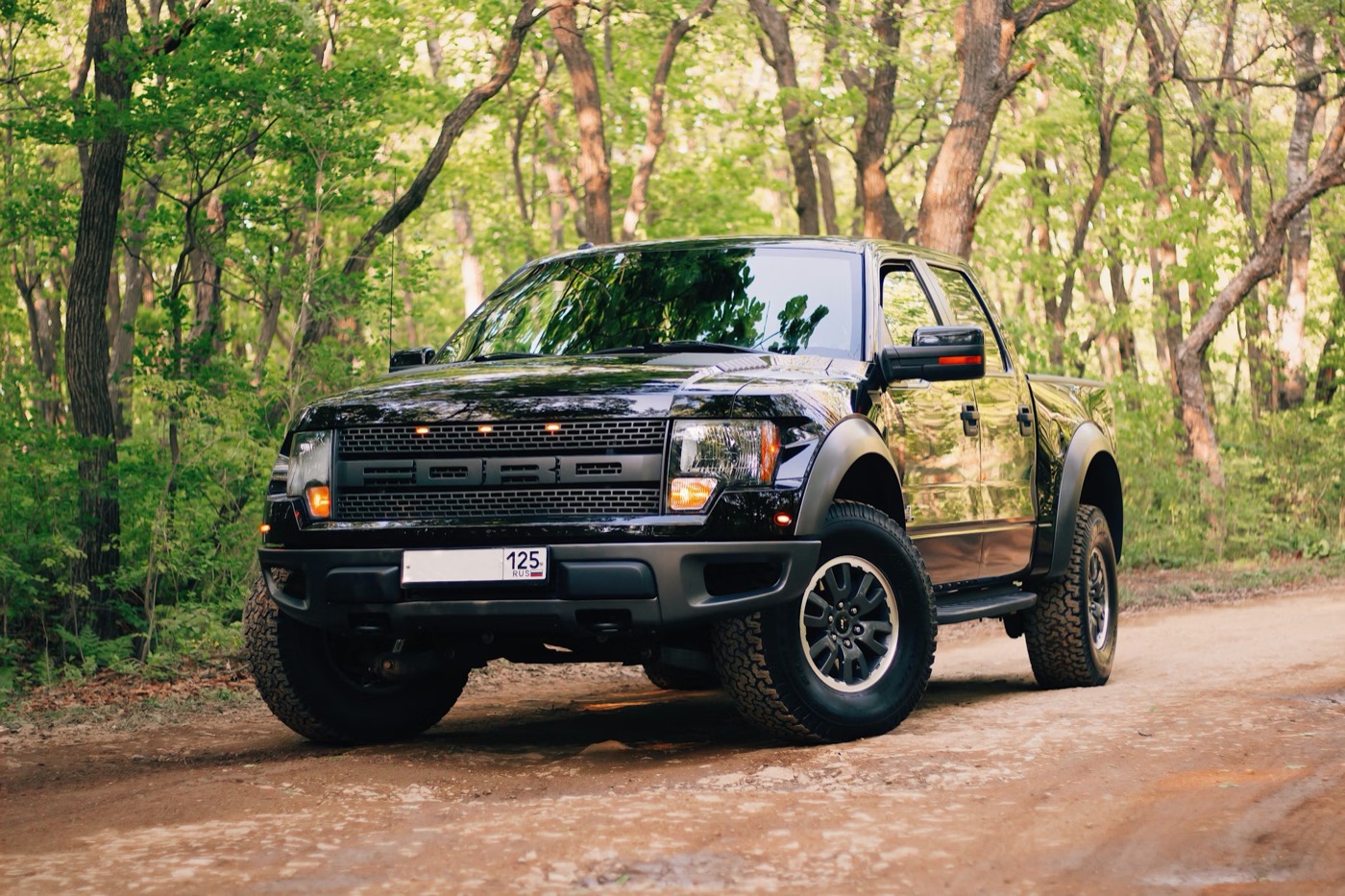
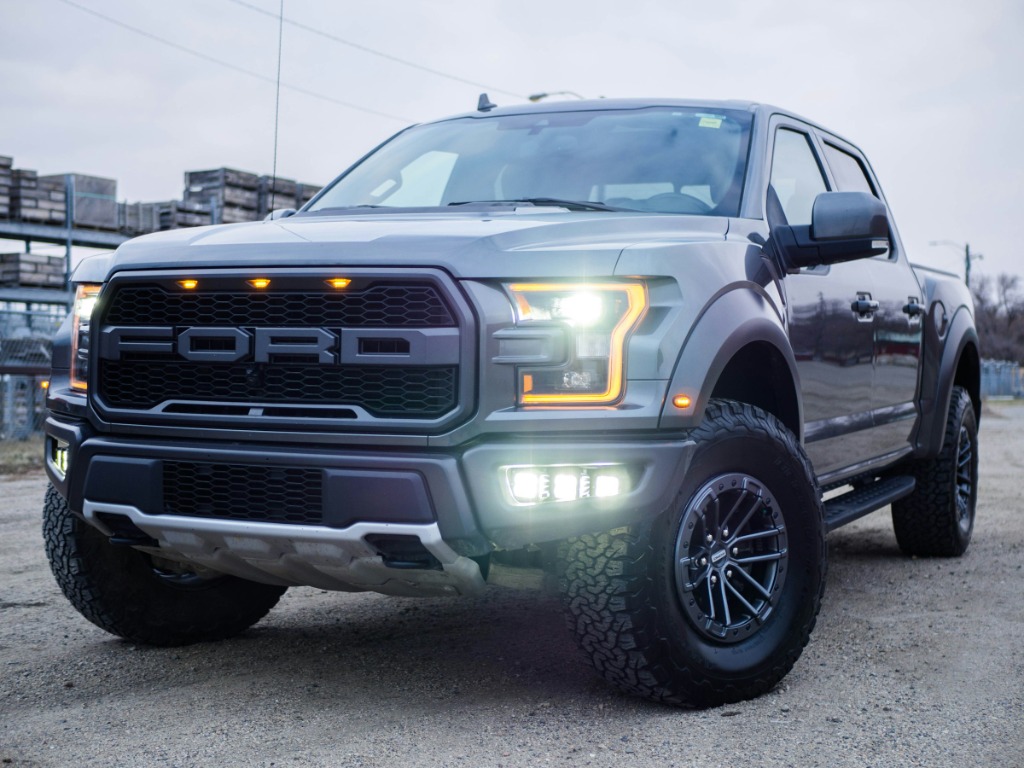
Multi-image uploads add a cross-referencing layer. A front shot captures grille design and headlight shape. A side profile reveals cab configuration, bed length, and rocker panel height. A rear view shows taillight design, badge placement, and exhaust configuration. The system treats these as complementary data sources rather than independent queries, building a composite understanding of the vehicle.
Stage 2: Vehicle Classification
The core identification task uses a multimodal vision model to classify the vehicle's make, model, year, and trim. This is where the technology diverges from simple image recognition. Identifying "truck" is trivial. Identifying "2021 Ford F-150 Lariat SuperCrew" requires the model to distinguish between visually similar vehicles across multiple production years and trim levels.
The model reads a dense set of visual cues simultaneously:
- Body silhouette and proportions: the overall shape distinguishes vehicle classes (sedan vs. SUV vs. truck) and narrows down model families
- Grille and front fascia design: manufacturers change grille patterns between model years and trims, making this one of the strongest identification signals
- Headlight and taillight geometry: lighting signature is unique per generation and often differs between trim levels (LED vs. halogen, sequential vs. static)
- Wheel design and size: factory wheel options vary by trim and serve as secondary confirmation
- Badge and emblem placement: trim badges (XLT, Lariat, Denali, TRD Pro) provide explicit identification when visible
- Chrome, color-matched, and blacked-out trim details: trim packages often dictate whether mirror caps, door handles, and bumpers are chrome, body-colored, or matte black
A 2020 Toyota Tacoma SR5 and a 2020 Tacoma TRD Off-Road share the same body, but they have different factory wheel sizes, different suspension geometry, and different running board mounting point locations. Parts designed for one won't necessarily fit the other. Generic "make and model" identification isn't sufficient for fitment. The system needs to resolve to the trim level.
Stage 3: Aftermarket Part and Accessory Detection
Once the base vehicle is identified, a second analysis pass detects modifications and aftermarket accessories. This is fundamentally different from vehicle classification because the model must distinguish between factory-installed components and aftermarket additions, then identify specific product categories.
Detectable accessory categories include wheels and tires (style, approximate size, finish type), suspension modifications (lift kits, leveling kits, lowering springs), exterior accessories (aftermarket grilles, bumpers, fender flares, light bars), and bed accessories (tonneau covers, bed racks, toolboxes, bed liners). The system also attempts to identify the type within each category. For example, it distinguishes a tri-fold tonneau cover from a retractable one, or a set of nerf bars from rock sliders.
This detection layer is what transforms vehicle identification from a novelty into a practical tool. Knowing that someone's truck has a specific style of running board is only useful if you can also determine what mounting hardware that board requires and whether it's compatible with your truck's cab configuration.
Stage 4: Fitment Spec Extraction and Product Matching
The final pipeline stage bridges identification and commerce. The system maps the identified vehicle and its detected accessories to a structured fitment database, extracting the technical specifications that determine part compatibility. For a truck identified as a 2022 Chevrolet Silverado 1500 LT Crew Cab, this means resolving to specific specs: 6x139.7mm wheel bolt pattern, 78.1mm hub bore, 5'8" short bed, four-door cab configuration with specific rocker panel dimensions.
These specs then feed into product matching logic that returns compatible parts, not generic search results, but filtered products confirmed to fit that specific vehicle configuration. The difference matters: a generic search for "Silverado tonneau cover" returns hundreds of results across multiple bed lengths and model years. Fitment-matched results return only covers that fit a short-bed 2022 Silverado 1500.
Why Vehicle Fitment Is Harder Than Object Recognition
Off-the-shelf computer vision can identify a Ford F-150 in a photo. That's a solved problem. The hard part, and what makes fitment-specific identification genuinely difficult, is resolving to the level of detail required for parts to actually fit.
The Trim Problem
Trim levels create visual variations within the same model that are subtle to human observers and challenging for AI. A 2019 Ford F-150 XLT and a 2019 F-150 Lariat share the same body shell, but the Lariat typically gets LED headlights, chrome door handles, and different wheel options. These differences have direct fitment implications: different wheel sizes mean different bolt pattern and offset requirements, different cab packages mean different running board bracket configurations.
The model must learn that a chrome mirror cap isn't just a cosmetic detail. It's a signal that correlates with a specific trim package, which in turn correlates with specific technical specifications.
The Generation Overlap Problem
Automakers don't redesign vehicles on clean annual boundaries. A generation might span 2015 to 2020, with a mid-cycle refresh in 2018 that changes the front fascia but keeps the rear unchanged. Some fitment specs carry over across the refresh (bed dimensions, bolt patterns), while others don't (headlight housings, grille brackets). The AI must identify not just the generation but the specific production phase within that generation.
The Modification Ambiguity Problem
Aftermarket modifications can mask factory details the model relies on for identification. A truck with an aftermarket bumper has lost the factory front fascia, which is one of the strongest identification cues. Aftermarket wheels replace the factory options that help distinguish trim levels. The system needs fallback identification strategies: if the primary visual cues have been modified, what secondary signals can still resolve the vehicle correctly?
Fitment Specifications by Accessory Category
Different parts require different fitment data. A wheel that bolts onto one truck won't bolt onto another with a different lug pattern, even if both trucks are the same brand. Understanding what specs matter for each category clarifies what the AI needs to extract, and why general vehicle identification alone isn't enough.
Wheels and Rims
Wheel fitment is the most specification-dense category. The critical measurements are bolt pattern (number of lugs and the diameter of the bolt circle), offset (how far the mounting surface sits from the wheel's centerline), rim diameter and width, and hub bore (the center hole diameter that sits over the vehicle's hub). Getting any one of these wrong means the wheel either won't mount or will cause clearance, vibration, or handling problems.
For example, Chevrolet trucks use a 6x139.7mm bolt pattern while Ford trucks use 6x135mm. Both are six-lug patterns, and the circle diameters are close enough that someone eyeballing it might assume they're interchangeable. They're not. Image-based analysis catches this distinction by identifying the vehicle first, then mapping to confirmed bolt pattern specs. The alternative, trying to measure the bolt pattern directly from a photo, would be impractical at typical shooting distances.
Truck Bed Covers
Tonneau cover fitment depends primarily on bed length and cab configuration. Trucks within the same model come in multiple bed lengths. Common configurations include short (5'8"), standard (6'6"), and long (8'), and a cover sized for one won't seal properly on another. Additionally, cab configuration (regular, extended, crew) determines bed length availability, since not all cab-bed combinations exist for every model.
AI identification resolves these attributes from visual cues: cab door count and proportions indicate cab type, and the ratio of cab length to bed length, which is visible in a side profile photo, narrows down the bed length. Existing bed accessories like toolboxes, racks, or bed liners are also detected, since they can affect which cover styles will install properly.
Running Boards and Side Steps
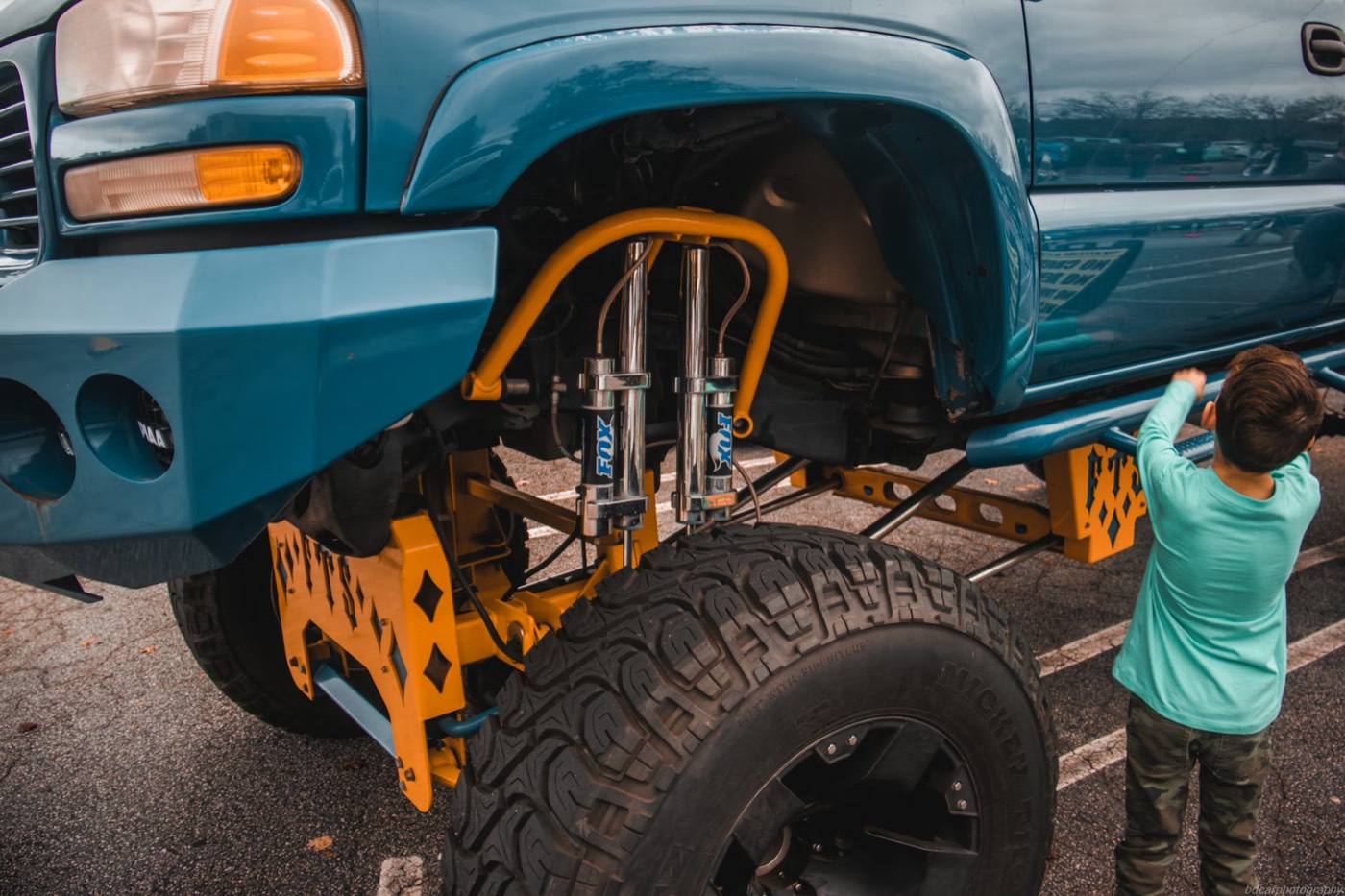
Running board compatibility is driven by cab size, door count, rocker panel height, and body style. A crew cab truck needs longer boards with more mounting points than an extended cab version of the same model. The mounting brackets themselves are model-specific and attach to the vehicle's frame at predetermined locations, which means even boards that appear to be the right length might not line up if they're designed for a different model or generation.
Visual analysis determines cab configuration from the photo (counting doors and evaluating proportions), then cross-references with the identified vehicle model to confirm the exact mounting point specifications.
Individual Part Identification
Close-up part identification is a distinct use case from full-vehicle analysis. A photo of a loose component, whether it's an engine part on a workbench, a suspension piece at a junkyard, or a boxed item from an online listing, gets classified by type, function, and common vehicle applications. The AI examines the part's shape, visible markings, mounting points, and relative scale to determine what it is and what it fits.
This capability addresses a real gap in the automotive aftermarket. Parts are frequently sold with vague descriptions ("fits most V8s"), and visual identification provides an independent verification layer that doesn't rely on the seller's claimed compatibility.
How Multi-Image Analysis Improves Accuracy
Single-image identification works, but it operates with limited information. A front-only photo reveals the grille and headlights but hides the cab configuration and bed length. A side profile shows proportions but may obscure the badge or front-end details. Multi-image analysis addresses these gaps by treating each uploaded photo as a partial view of the same vehicle and synthesizing a composite identification.
The cross-referencing process works by having the model identify the vehicle independently from each image, then reconciling those identifications. If a front shot suggests a 2021 RAM 1500 and a side shot confirms a crew cab with a short bed, the combined confidence is higher than either alone. Conflicting signals (say, a front that looks like a 2020 but a rear that suggests 2021) trigger the model to examine distinguishing features more closely, often resolving to a mid-cycle refresh year.
For practical use, this means that a quick set of walk-around photos taken from three or four angles consistently produces more reliable results than a single carefully composed shot. The additional angles create redundancy that compensates for any single image's limitations.
What Affects Identification Accuracy
Image-based identification isn't infallible, and understanding the factors that influence accuracy helps set realistic expectations.
Image Quality and Lighting
Clear, well-lit photos produce the best results. Outdoor daylight or bright garage lighting lets the model read surface details like badge text, wheel spoke count, and trim piece finishes. These become ambiguous in low light. Harsh shadows can obscure identifying features, and heavy compression (like images saved repeatedly from social media) degrades the fine details the model relies on for trim-level distinction.
Vehicle Commonality
Common production vehicles are identified more reliably than rare or obscure models, because the underlying models have been trained on more examples of popular vehicles. A current-generation F-150, Silverado, or Wrangler will be identified with high confidence. A limited-production import or a heavily modified vehicle with most factory visual cues removed will challenge the system more.
Modification Density
The more factory components that have been replaced with aftermarket parts, the fewer identification cues remain. A truck with aftermarket bumpers, wheels, headlights, and a grille swap has lost most of its primary identification features. In these cases, the model relies on secondary cues like body proportions, window shapes, and mirror design. These are less definitive but often sufficient to narrow identification to a small set of possibilities.
Image-Based Fitment vs. Wheel Visualizers: Different Tools, Different Problems
These two tool types are often conflated because both involve vehicles, wheels, and photos. But they solve different problems and serve different stages of the purchase journey.
| Feature | Image-Based Fitment Finder | Wheel Visualizer |
|---|---|---|
| Starting Point | Upload a photo of any vehicle | Select your vehicle from a dropdown list |
| Primary Purpose | Identify what is on a vehicle and find compatible parts | Preview how new wheels would look on your vehicle |
| Output | Fitment specs, identified parts, and purchase-ready product links | A visual mockup with different wheel styles overlaid |
| Best For | Replicating a build, verifying compatibility, identifying unknown parts | Exploring aesthetic options before committing to a purchase |
| Data Required | Only a photo | Vehicle make, model, year (manual entry) |
A visualizer answers "what would these wheels look like on my truck?" An image-based fitment finder answers "what wheels are on that truck, and will they fit mine?" They're complementary but serve different decision points.
Real-World Applications
The technology has practical applications that extend beyond casual curiosity. Understanding these helps contextualize where image-based fitment adds value that other methods don't.
Parking Lot Discovery
You spot a truck at a car show, in a parking lot, or on the street with a setup you want to replicate. The owner isn't around. Previously, your options were to post the photo in online forums and wait for crowdsourced guesses, or try to reverse-engineer the build through visual comparison with catalog images. Image-based identification turns a photo taken in passing into a complete build breakdown and shopping list.
Pre-Purchase Verification
Before buying wheels, running boards, or a bed cover, you can upload a photo of your vehicle to confirm the exact specs rather than trusting that you selected the right filters in a parts catalog. This is especially valuable when buying used parts from private sellers, where the listing description may be incomplete or inaccurate.
Shop and Professional Use
A customer sends a photo asking for a quote on wheels or accessories. Instead of a back-and-forth conversation about what year, what trim, what bed length, the shop uploads the photo and gets confirmed specs in seconds. For fleet operations outfitting multiple identical vehicles, image-based identification speeds up the parts ordering process by eliminating manual spec lookup for each unit.
Where the Technology Is Heading
Image-based vehicle identification is still early-stage relative to its potential. Current systems work well for common vehicles in clear conditions, but several developments are expanding what's possible.
Deeper modification chain analysis will allow systems to not just detect that a truck has a lift kit, but estimate the lift height and identify whether it's a spacer lift, a leveling kit, or a full suspension system. Each of those has different implications for compatible accessories. Tighter integration with manufacturer fitment databases will enable real-time cross-referencing of visual identification against OEM spec sheets, catching edge cases where visual similarity masks technical differences.
The combination of AI-powered visual identification with structured fitment data represents a fundamental shift in how consumers interact with the automotive aftermarket. Instead of requiring specialized knowledge to translate between what you see and what you can buy, the technology makes that translation automatic. The friction between inspiration and purchase drops to near zero, and that changes how people discover, research, and buy vehicle accessories.
Visual Fitment uses this technology to turn vehicle photos into fitment specs and compatible product links. Upload a photo to see how it works, or save results to My Garage for future reference. No account required to get started.